Why More People Are Choosing to Live & Work in Manchester
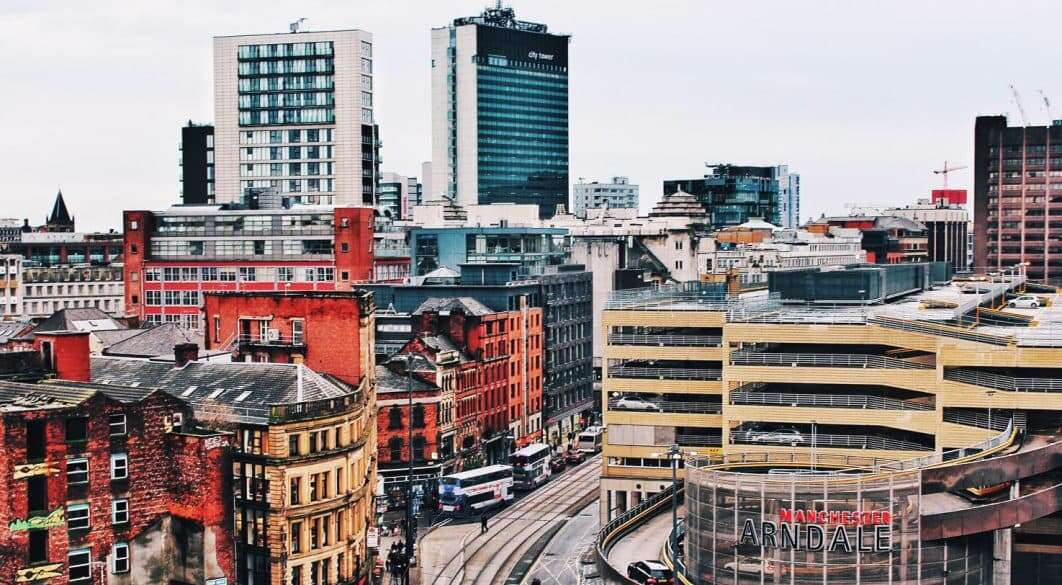

Manchester has never needed much help selling itself.
It has football, music, food, nightlife, universities, independent businesses and an identity that has travelled far beyond the North West. But behind the culture and personality is another reason the city continues to attract attention: people keep wanting to live and work here.
That matters to the rental market. Demand for homes ultimately comes from people choosing a city because it offers career opportunities, places to socialise, good transport, interesting neighbourhoods and reasons to stay for the long term.
And Manchester increasingly combines all of those things.
A City People Actually Want to Live In
Manchester’s lifestyle appeal is difficult to reduce to one district.
The Northern Quarter remains the obvious home of independent bars, record shops, coffee spots and creative businesses. Ancoats has evolved from its industrial past into one of the city’s most recognisable residential neighbourhoods, combining red-brick heritage with restaurants, canals and contemporary apartments.
Head towards Deansgate and Spinningfields and the atmosphere changes again. Here, offices, restaurants, bars and modern residential developments sit close together, creating the kind of city-centre environment where people can work, eat and socialise without travelling far.
Then there are neighbourhoods further from the immediate centre, each offering something different. Chorlton and Didsbury have long appealed to people looking for independent food, green space and a more suburban feel, while areas across Greater Manchester continue to develop identities of their own.
This variety helps Manchester appeal to people at very different stages of life.
Students arrive for university. Graduates stay for work. Young professionals move from elsewhere in the UK. Couples remain as their careers develop, while families can look towards neighbourhoods offering more space without losing access to central Manchester.
Manchester has increasingly become somewhere people can grow into rather than simply pass through.
Jobs Give People a Reason to Stay
Lifestyle may help attract people to Manchester, but employment gives many of them a reason to remain.
Manchester City Council reported in June 2026 that Manchester and the wider city region had recorded 19.7% job growth over the previous decade, compared with 13.9% across the UK. The same update highlighted continued growth in knowledge-based sectors including digital, fintech and research.
That economic diversity is important. Manchester is no longer simply associated with its traditional industries. Technology, professional services, media, finance, life sciences and research now sit alongside established sectors such as healthcare, education, retail and hospitality.
That gives people more reasons to build a career in the city. A graduate working for a digital company may want a modern apartment close to the centre. Someone employed in healthcare or education may prioritise transport links. Professionals working partly from home may choose neighbourhoods slightly further out where they can find more space.
The broader the employment market becomes, the more varied Manchester’s population can become with it.
Manchester’s Rental Market Reflects That Demand
The numbers provide some useful context. According to the Office for National Statistics, average private rent in Manchester reached £1,365 per month in July 2026, up from £1,316 a year earlier. One-bedroom homes averaged £998 per month, while two-bedroom properties averaged £1,227.
Rent naturally varies considerably between neighbourhoods, property types and individual developments, but the figures provide an indication of the scale of Manchester’s rental market.
It is also easy to understand why demand exists when looking at the wider city. Jobs bring people in, universities introduce thousands of new residents every year, transport makes different neighbourhoods accessible and Manchester’s cultural scene gives people plenty of reasons to stay.
For anyone exploring the local housing market or looking more closely at buy-to-let Manchester, those wider qualities help explain why the city continues to attract such a broad range of residents.
Manchester’s Lifestyle Has Become Part of Its Appeal
One of Manchester’s biggest strengths is that its lifestyle is no longer concentrated around a handful of streets.
The city’s food scene has expanded enormously, from independent kitchens and neighbourhood restaurants to destination dining and food halls. Nightlife ranges from small music venues and traditional pubs to clubs, rooftop bars and larger entertainment spaces.
Music remains central to Manchester’s identity, while football gives the city a global audience that few other UK locations can match.
There is also the simple convenience of city living. Restaurants, gyms, shops, offices, entertainment and transport can all sit within walking distance of a city-centre home. For younger residents in particular, that combination can make central living far more attractive than travelling into the city every day.
People are not simply choosing a house or apartment. They are also choosing what they want everyday life around that home to look like.
Regeneration Keeps Changing the Map
Manchester is also a city that is still evolving Regeneration is not confined to the city centre.
Victoria North is one of the most significant examples. Manchester City Council’s wider North Manchester strategy includes plans for 15,000 new homes, alongside parks, transport improvements and new public spaces.
Within Collyhurst, development is already progressing, with new homes being delivered alongside retail, community facilities and public space as part of the wider regeneration programme.
Elsewhere, work is taking place across neighbourhood centres including Withington, Gorton, Moston Lane, Chorlton, Levenshulme and Rusholme, with improvements focused on high streets, public spaces and housing.
The amount of construction taking place also means new build property in Manchester is becoming part of the changing residential landscape, particularly in areas where new homes are being delivered alongside improved transport, public spaces and local amenities.
For residents, changes like these can mean better places to spend time, improved facilities and stronger connections with the rest of the city. They can also change how individual neighbourhoods are perceived.
An area that once felt disconnected from central Manchester can look very different once transport, shops, housing and public spaces begin improving together.
Regeneration Is About More Than New Apartments
It is easy to think of regeneration purely in terms of cranes and apartment blocks. The projects that make the biggest difference usually change much more than the housing stock. Parks, cafés, retail space, offices, transport links and pedestrian areas can all influence whether people actually enjoy living somewhere.
A neighbourhood does not become desirable simply because hundreds of new homes have appeared. What happens around those homes is often just as important.
Are new employers arriving nearby? Is public transport improving? Are restaurants and shops opening? Are there good public spaces? Does the area feel somewhere people actively want to spend their time?
The most successful regeneration tends to improve the whole experience of a neighbourhood rather than simply adding more buildings.
Students Arrive, but Many Graduates Stay
Manchester’s universities are another major part of the city’s character. Thousands of students arrive each year, bringing a constant flow of new residents into Manchester. But the longer-term impact can be just as significant.
By the time they graduate, many students already have friends here, favourite places, social networks and a good understanding of the city.
If suitable employment is available, there may be little reason to immediately leave. That creates a natural progression from student life into graduate employment and, for some, long-term residency.
Housing needs change along the way too. Someone may begin in shared student accommodation before moving into a city-centre apartment after graduating. Several years later, they might look towards Ancoats, Salford, Didsbury or another neighbourhood as their income and lifestyle change.
Manchester offers enough variety for people to move around the city without necessarily having to leave it.
Transport Makes More of the City Accessible
Manchester’s transport network also helps widen the number of places people can realistically consider living. People do not need to live beside their workplace if they can reach it quickly.
Metrolink connects central Manchester with areas across Greater Manchester, while national rail services provide convenient connections with Liverpool, Leeds, London and other major cities.
Manchester Airport adds another layer of connectivity for people travelling further afield. That gives residents more flexibility. Some may want everything within walking distance and choose to live centrally. Others may prefer a quieter neighbourhood where their budget provides more space while transport still makes work and entertainment easy to reach. Good connectivity makes those choices possible.
Why These Things Support Rental Demand
Manchester does not rely on one single reason to attract residents. Its employers bring workers into the city. Universities introduce students who may later become graduates and professionals. Restaurants, nightlife, football and culture make Manchester enjoyable outside working hours.
Regeneration continues to improve neighbourhoods, while transport helps connect them. Together, those elements create a city with a broad range of people looking for somewhere to live.
That does not mean every neighbourhood or home experiences the same demand, but it helps explain why Manchester has developed such a sizeable and varied rental market.
The appeal of the housing market is ultimately closely connected to the appeal of Manchester itself.
A City With More Than One Reason to Stay
Perhaps Manchester’s biggest strength is that there is no single reason people move here. Some arrive for university. Others come for work. Some want the energy of the city centre, while others are drawn to music, football, restaurants or a particular neighbourhood.
Many simply discover that Manchester offers the combination of career opportunities and quality of life they are looking for. And once people find somewhere that works for both their working life and everything that happens outside it, there is often less reason to leave.
The cafés, offices, universities, tram stops, music venues, football grounds and regeneration projects are not separate parts of Manchester’s appeal. Together, they are what make the city somewhere people want to call home.